


How Can You Tell Your Website Is Losing Potential Leads?
Potential leads are often lost before a business even realizes it.
When visitors land on your website, their experience is shaped not only by what they see, but by how smoothly everything functions. Speed, usability, structure, and technical stability influence whether a visitor continues exploring or leaves without taking action.
These signals are often subtle. A website may still attract traffic, yet fail to convert that attention into inquiries. Over time, these unnoticed gaps can quietly reduce lead generation and affect overall business performance, prompting many businesses to address underlying technical limitations.
For founders, managing directors, and growth leaders, identifying these early signs is essential. Website performance is not only about visibility. It directly influences inquiry readiness and customer confidence, making it increasingly important to outsource web development to ensure consistent performance and long term scalability.
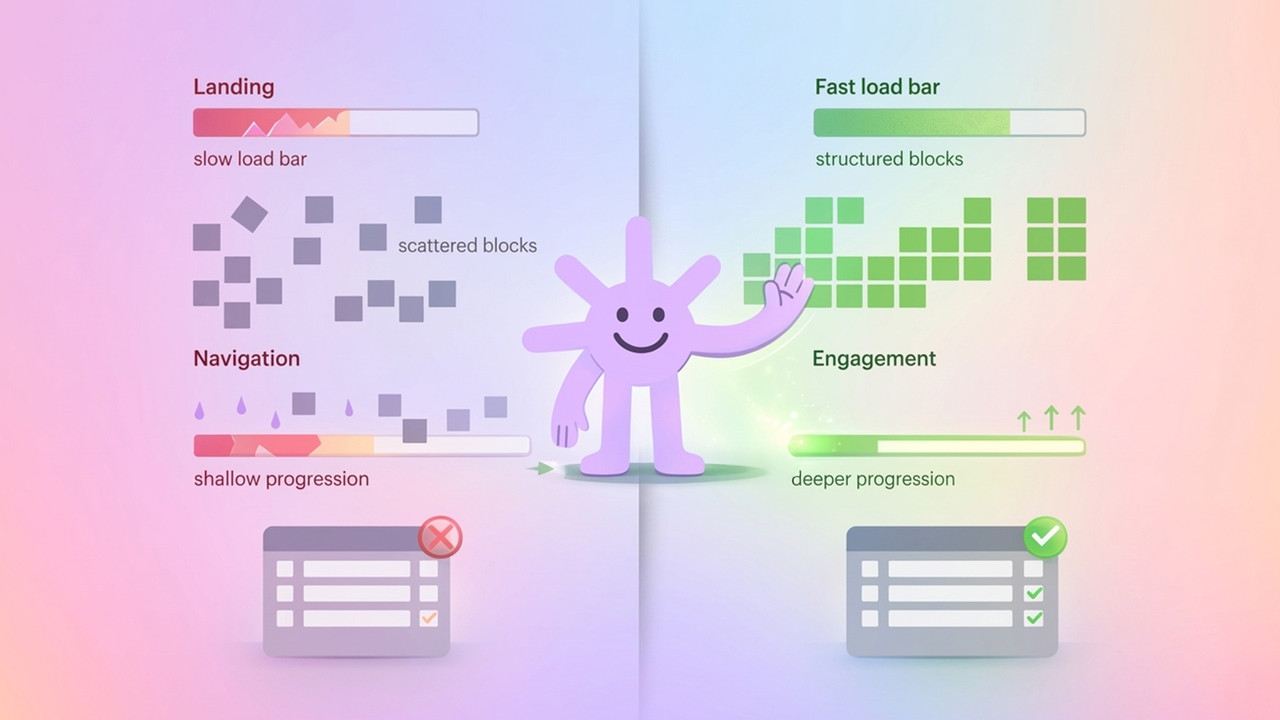
Slow Load Times Reduce Visitor Patience
Speed is one of the first experiences a visitor encounters.
When a website loads slowly, it interrupts the natural flow of interaction. Visitors expect quick access to information, and delays can quickly reduce their willingness to continue exploring.
Even a few seconds of delay can lead to drop offs. Users may leave before viewing key services or understanding the value of the business.
A fast loading website supports engagement, while slow performance quietly reduces the number of potential leads that progress further.
Broken Inquiry Paths Prevent Action
A website may appear fully functional while key conversion points fail silently.
Inquiry forms that do not submit, missing confirmation messages, or backend errors can prevent users from completing their intent. These issues often go unnoticed because they do not affect traffic metrics.
However, they directly impact lead generation. Businesses may assume a lack of interest, when in reality, users are unable to reach out.
Reliable inquiry paths ensure that every interested visitor has a clear way to take action.
Confusing Navigation Hides Opportunities
Structure plays a central role in how users evaluate a website.
When navigation is unclear or information is difficult to locate, visitors are less likely to explore further. Important services or value propositions may remain hidden simply because they are not easily accessible.
This creates hesitation during decision making. Users may leave without fully understanding what the business offers.
A well organized structure allows users to move confidently through the site and discover relevant information without effort.
Mobile Experience Weakens Credibility Instantly
Many users interact with websites through mobile devices first.
If the mobile experience is inconsistent or difficult to use, it immediately affects credibility. Misaligned layouts, slow loading, or difficult navigation can signal that the business has not prioritized user experience.
A seamless mobile experience, on the other hand, builds trust. It shows that the business understands how customers interact with digital platforms.
For many visitors, mobile usability becomes a deciding factor in whether they continue or leave.
Technical Friction Reduces Engagement Depth
Small technical issues can have a significant impact on user behavior.
Friction may appear as slow transitions, broken elements, delayed responses, or inconsistent functionality. These issues interrupt the browsing experience and reduce how long users stay on the site.
When users encounter friction, they are less likely to explore multiple pages. This limits their understanding of the business and reduces the chances of conversion.
A smooth and responsive website encourages deeper engagement and supports inquiry generation.
Performance Gaps Often Remain Invisible Until Results Drop
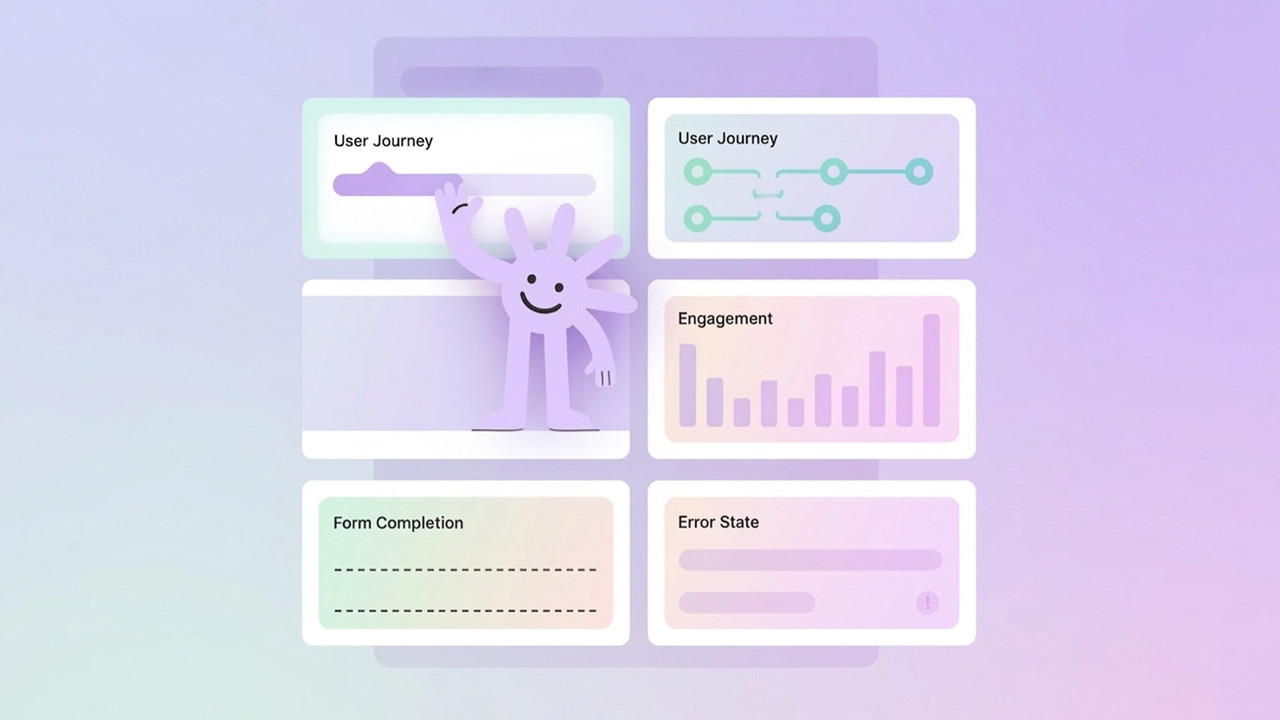
One of the biggest challenges with website performance is that problems are not always obvious.
A business may continue to receive traffic while inquiry levels gradually decline. Without clear technical evaluation, these gaps can remain unnoticed for long periods.
In many cases, multiple small issues combine to create a larger impact. Speed, usability, structure, and functionality together shape the overall experience.
Recognizing these patterns early allows businesses to take corrective action before performance declines further.
When Website Performance Protects Lead Generation
Websites rarely lose leads in obvious ways. More often, they do so quietly through small inefficiencies that accumulate over time.
Speed influences patience. Structure shapes navigation. Mobile experience affects credibility. Technical stability determines whether users complete their journey.
Together, these factors influence whether a visitor takes the next step or leaves without action.
For many organizations, the decision to outsource web development ensures that these areas are continuously monitored and improved.
This allows the website to function not only as a digital presence, but as a reliable system for generating inquiries.
At TSA Media Group, we help businesses identify and resolve the hidden issues that affect performance. Through structured development, technical optimization, and informed decisions around outsourcing, we create websites that support trust and conversion from the first interaction.
Let’s build a website that captures every potential lead, not one that quietly loses them.