

How Do You Use LinkedIn for B2B Lead Generation and Brand Growth?
LinkedIn growth does not begin with lead generation but with visibility.
Before leads are captured, before conversations begin and before conversions are recorded, content first appears within professional networks. These interactions, measured through impressions and engagement signals, represent the earliest observable stage of LinkedIn performance.
For business leaders, relying only on direct lead outcomes creates a delayed understanding of growth. By the time leads are generated, the underlying visibility and positioning shifts have already taken place.
Social media management consulting brings that clarity earlier in the process, helping organizations recognize momentum, identify gaps and respond before outcomes become fully measurable.
Consistent Content Builds Professional Authority
Content consistency on LinkedIn is the foundation of authority. Visibility increases when content appears repeatedly within a defined professional context, even if immediate engagement does not follow.
This reflects early alignment between messaging and audience relevance, where content begins to surface within the right networks but has not yet translated into interaction. At this stage, visibility is expanding, but recognition is still forming.
This phase is often misunderstood because it does not immediately produce measurable outcomes. However, it represents the point at which professional audiences begin associating content with expertise, allowing familiarity to develop into recognition and trust over time.
For organizations, consistent visibility indicates that content efforts are beginning to register, even if engagement metrics have not yet responded, reflecting an early signal of authority development rather than a lack of performance.
Personal Profiles Maximize Organic Reach
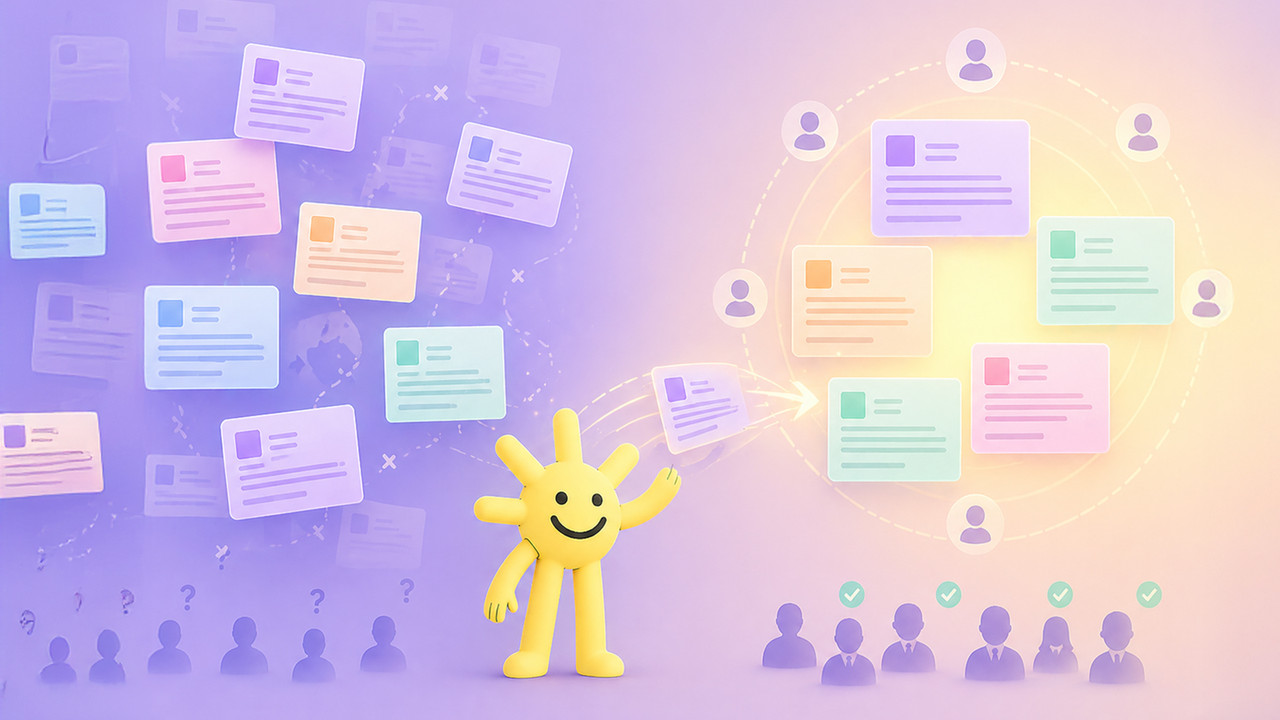
When content visibility increases but reach remains limited, the constraint is not content quality but distribution structure, as reach on LinkedIn is influenced more by individual profiles than by company pages.
Content shared through personal profiles is surfaced more frequently because it is perceived as perspective rather than promotion, creating a structural advantage for founders, marketing leaders and subject matter experts.
This dynamic establishes a clear interaction between brand and individual positioning. Organizations that rely solely on company pages often restrict distribution, while those that activate personal profiles expand reach within relevant professional networks.
In this context, distribution is shaped less by content itself and more by how that content is delivered. In many cases, under performance in reach reflects a misalignment between where content is published and how LinkedIn distributes visibility, where the structure exists but the distribution channel does not align with platform behavior.
Engagement Signals Improve Content Visibility
As content begins to reach a wider audience, engagement becomes the factor that determines whether visibility continues to expand. LinkedIn does not distribute content evenly, but it responds to signals that indicate relevance.
When posts generate meaningful interaction, particularly through comments and sustained attention, they are more likely to be surfaced further within the network. This creates a progression where engagement reinforces visibility, allowing content to move beyond its initial audience.
Low engagement, in this context, does not indicate lack of visibility but lack of resonance. The content is being seen, yet it is not generating sufficient interaction to sustain distribution.
This reframes the problem, as visibility alone is not the objective and outcomes depend on how clearly content aligns with audience expectations at the moment it is consumed.
Positioning Content for a Defined B2B Audience
As visibility and engagement expand, the next constraint emerges in positioning. Content that reaches a broad audience without clear focus often fails to convert visibility into meaningful outcomes.
When content is not aligned with a defined B2B audience, it creates a disconnect between exposure and relevance. The content appears within networks, but it does not resonate with the specific challenges or priorities of decision makers.
In contrast, content that is positioned for a clearly defined audience creates stronger alignment between message and intent. It reflects an understanding of context, allowing visibility to translate into qualified attention rather than passive consumption.
This establishes a direct relationship between positioning and performance, where clarity of audience determines whether visibility contributes to lead generation.
Building Strategic Networks for Lead Generation
Visibility and engagement alone do not generate leads without the support of a relevant network. LinkedIn operates as a relationship driven platform, where the quality of connections influences how content is distributed and perceived.
When networks are built strategically, content is more likely to reach decision makers within the intended audience. This increases the probability that visibility and engagement translate into meaningful interactions.
Without this alignment, content may generate activity without producing outcomes. The presence exists, but it is not connected to the right audience.
Network development, therefore, becomes a structural component of lead generation, ensuring that visibility is not only achieved but directed toward qualified opportunities.
When LinkedIn Becomes a Structured Growth Channel
LinkedIn is often used as a posting platform rather than a growth system, an assumption that limits its effectiveness. In practice, it provides clarity around visibility, engagement, and positioning when these elements are analyzed together.
It reveals how content is distributed, how audiences respond and where alignment exists or fails. This creates a shift from reactive activity to proactive strategy, where leadership teams move beyond immediate lead outcomes toward understanding early signals that indicate how growth is developing.
Social media management consulting supports this shift by interpreting these signals and aligning content, positioning, and networks with how professional audiences engage.
At TSA Media Group, LinkedIn activity is structured as a growth system, helping businesses refine visibility, improve positioning and convert engagement into qualified B2B leads.
Let’s move beyond inconsistent activity and respond to LinkedIn performance as it happens.