

Why Do Brands Struggle With Positioning Consistency Across Digital Platforms?
Brands rarely communicate through a single touchpoint. Audiences interact with websites, social media channels, advertising campaigns, landing pages and multiple forms of digital content before forming perceptions about a business.
However, many organizations unintentionally create different brand experiences across these channels. Visual identity changes, messaging shifts and communication styles vary depending on the platform or team involved.
While these inconsistencies may appear minor individually, their cumulative effect gradually weakens recognition, creates confusion and reduces credibility.
For businesses and paid media agencies, positioning consistency creates a structured communication framework that strengthens audience trust and supports long term brand growth.
How Inconsistent Messaging Weakens Audience Trust?
Brand positioning depends heavily on communication consistency.
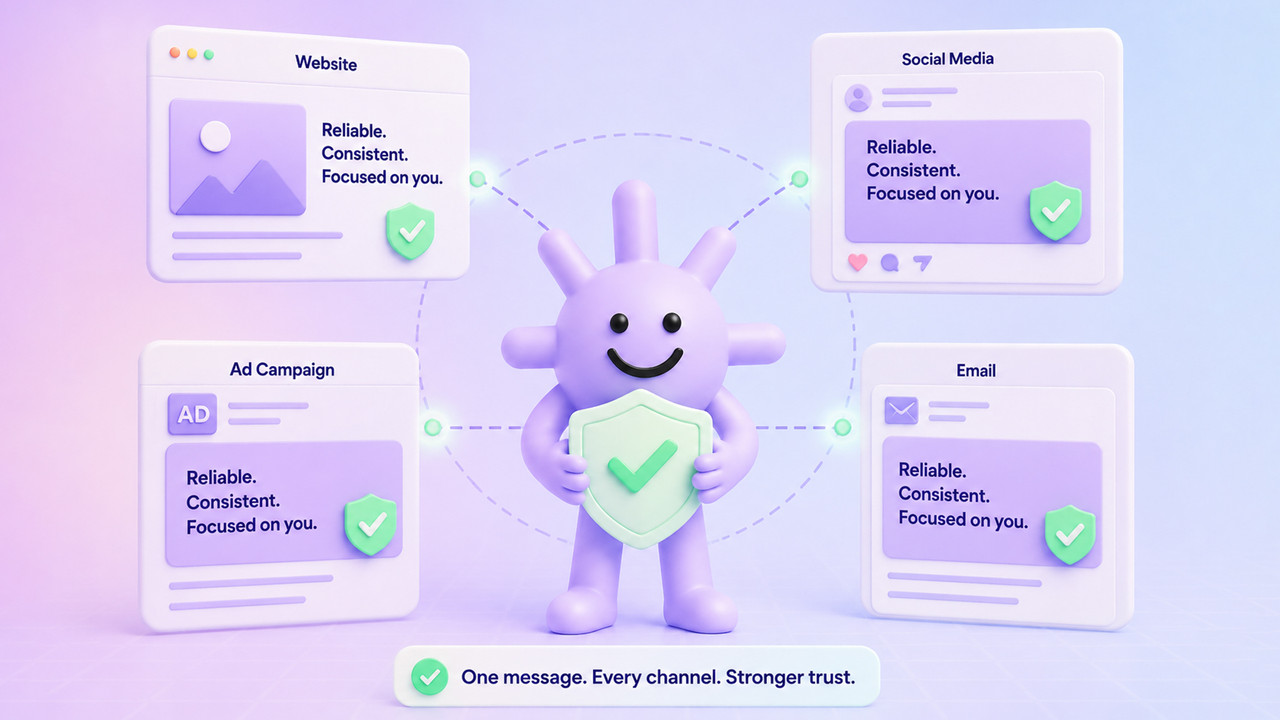
When audiences encounter different messages across platforms, uncertainty begins to develop around what the brand actually represents. A company may communicate reliability on its website while emphasizing completely different themes within advertising campaigns or social media content.
This inconsistency creates friction because audiences naturally seek predictability and clarity when evaluating brands.
Trust develops when communication repeatedly reinforces the same values, priorities and positioning themes over time.
When messaging remains aligned across digital environments, audiences experience continuity rather than contradiction.
Why Different Visual Styles Reduce Brand Recognition?
Visual identity plays a significant role in positioning consistency.
Colors, typography, layouts and design systems create familiarity that helps audiences recognize a brand quickly. When visual styles change dramatically between platforms, recognition becomes weaker because audiences repeatedly experience different identities.
A website may use one visual language while social media content adopts another style and campaign creatives introduce entirely different design systems.
Over time, these disconnected experiences reduce recall and weaken the association between visual elements and the brand itself.
Strong positioning systems create visual continuity by ensuring core design principles remain recognizable even when content formats evolve.
How Poor Positioning Creates Audience Confusion?
Positioning defines how brands want to be understood within the market.
Without clear positioning, communication often becomes reactive rather than strategic. Different departments may interpret the brand differently, creating conflicting messages and inconsistent priorities across campaigns and digital channels.
Audience confusion begins to develop when users struggle to understand what a brand represents, what value it delivers, how it differs from competitors and why it should be trusted. When these areas become unclear, audiences find it more difficult to build meaningful connections with the brand.
Over time, this uncertainty weakens engagement, reduces conversion potential and limits the effectiveness of broader marketing efforts.
Why Inconsistent Tone Affects Perceived Credibility?
Tone influences how communication feels to audiences.
Brands may unintentionally shift between formal, casual, promotional or educational styles depending on the platform being used. Although these differences may seem minor, inconsistent tone creates noticeable changes in how audiences interpret credibility.
A highly professional website combined with overly casual campaign messaging can create a disconnect that weakens trust.
Consistent tone does not require identical wording across every platform. Instead, it requires maintaining recognizable communication characteristics that reinforce the same brand personality.
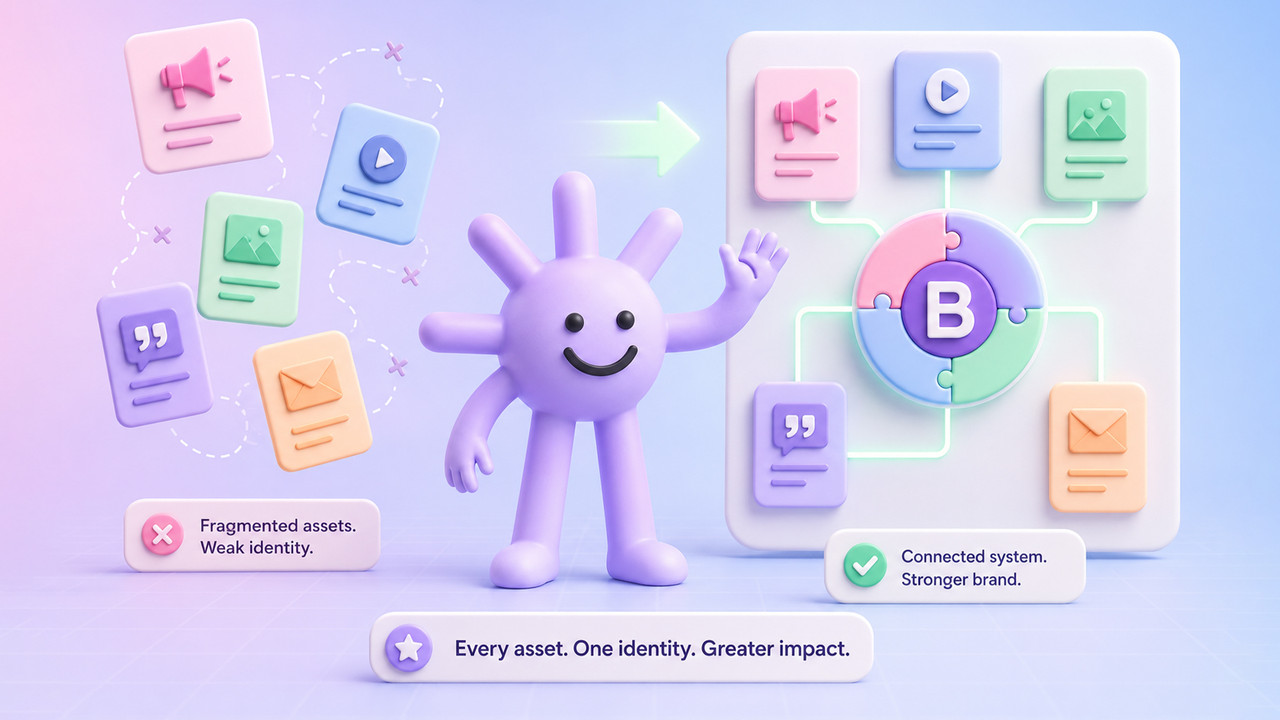
How Fragmented Branding Dilutes Overall Identity?
Brand identity becomes weaker when individual assets operate independently rather than supporting broader positioning goals.
Fragmented branding often appears gradually as organizations create new campaigns, launch additional content formats and expand across multiple channels.
Without structured systems, individual assets begin prioritizing short term objectives rather than strengthening long term brand recognition.
Over time, fragmented communication reduces overall brand impact because audiences remember isolated content rather than a unified identity.
Structured positioning systems help ensure that every touchpoint contributes toward a larger communication framework rather than functioning independently.
This strengthens recognition and creates stronger long term brand equity.
Why Structured Positioning Supports Long Term Brand Growth?
Positioning consistency functions as a strategic system rather than a visual preference.
When messaging, visuals and communication behavior remain aligned, audiences experience stronger familiarity and develop clearer perceptions of the brand.
This strengthens trust, improves recognition and creates more stable relationships between businesses and their audiences.
At TSA Media Group, we help businesses as one of the best paid media agencies create structured positioning systems designed to strengthen communication consistency across digital platforms. By aligning messaging, visual identity and audience strategy, we help brands build stronger recognition and more sustainable long term growth.
Share this Blog