

Why Do Many Businesses Misinterpret Marketing Performance Data?
Modern marketing generates more data than ever before. Campaign dashboards, analytics platforms, attribution tools, and reporting systems provide businesses with constant streams of information about performance. While access to data has improved significantly, accurate interpretation remains a major challenge.
Many organizations believe they are making data driven decisions, yet they often rely on incomplete metrics, misleading signals, or reporting frameworks that fail to connect marketing activity with broader business outcomes. As a result, businesses may increase investment in underperforming initiatives, overlook growth opportunities, or make strategic decisions based on inaccurate conclusions.
For businesses working with paid media agencies, understanding how performance data can be misinterpreted is essential for building more effective marketing strategies and achieving sustainable growth.
How Do Vanity Metrics Create Misleading Success Signals?
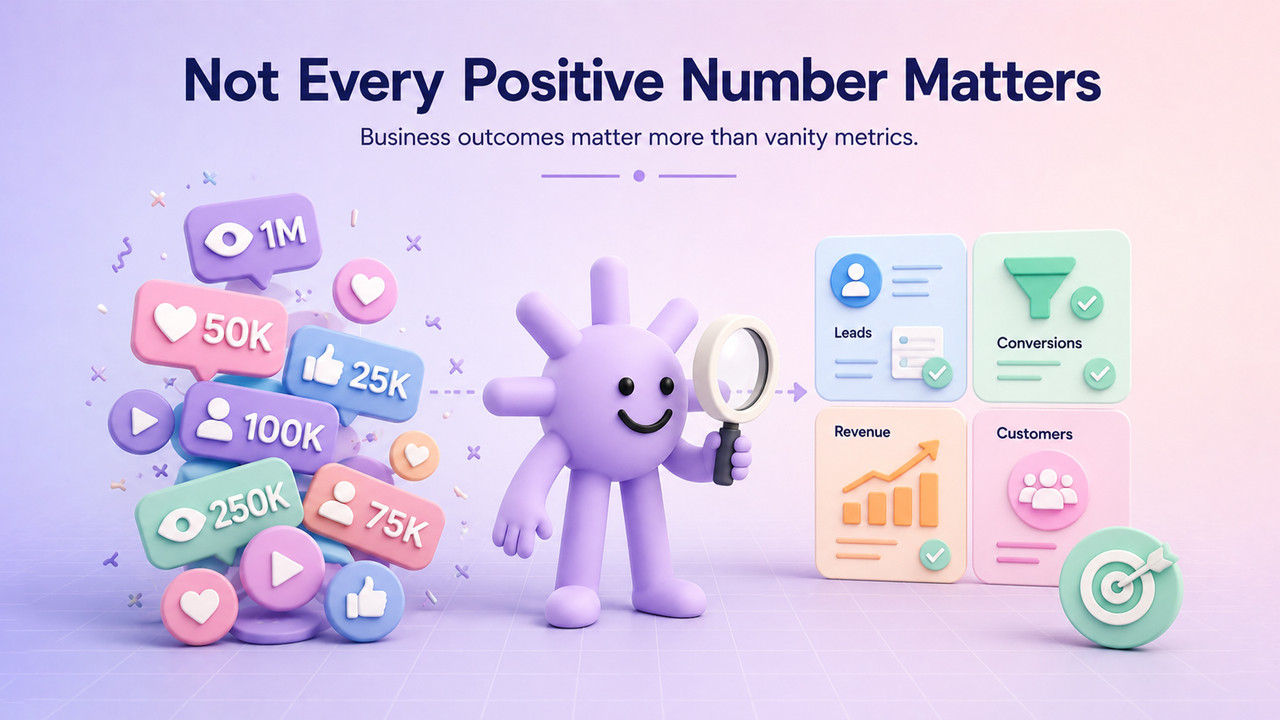
Not all positive numbers indicate meaningful business success.
Metrics such as impressions, likes, video views, and follower growth often appear impressive within reports. While these indicators can provide useful insights into audience activity, they do not always reflect business impact.
A campaign may generate thousands of interactions while producing minimal leads, conversions, or revenue. When businesses focus primarily on vanity metrics, they risk overestimating campaign effectiveness and directing resources toward activities that contribute little to actual growth.
Why Do Weak Attribution Models Distort Decision Making?
Marketing results rarely occur through a single interaction.
Customers often engage with multiple channels before making purchasing decisions. They may discover a business through social media, visit the website through organic search, return through paid advertising and eventually convert after receiving an email.
Weak attribution models frequently assign disproportionate value to a single touchpoint while overlooking the broader customer journey. This creates an incomplete view of performance and may lead businesses to reduce investment in channels that play an important supporting role.
Accurate attribution helps organizations understand how different marketing activities contribute to overall business performance rather than evaluating channels in isolation.
How Does Channel Level Data Lack Business Context?
Channel performance alone does not always reveal overall business impact.
Many reports focus heavily on platform specific metrics such as click through rates, cost per click, reach, or engagement levels. While these indicators provide useful operational insights, they do not always explain whether marketing efforts are supporting broader business goals.
For example, a campaign may generate efficient traffic at a low cost while attracting visitors who have little intention of converting. Similarly, another campaign may appear more expensive but produce significantly higher quality leads and stronger long term value.
Without business context, channel level data can encourage decisions that prioritize efficiency metrics rather than meaningful outcomes.
Why Do Short Term Spikes Hide Long Term Trends?
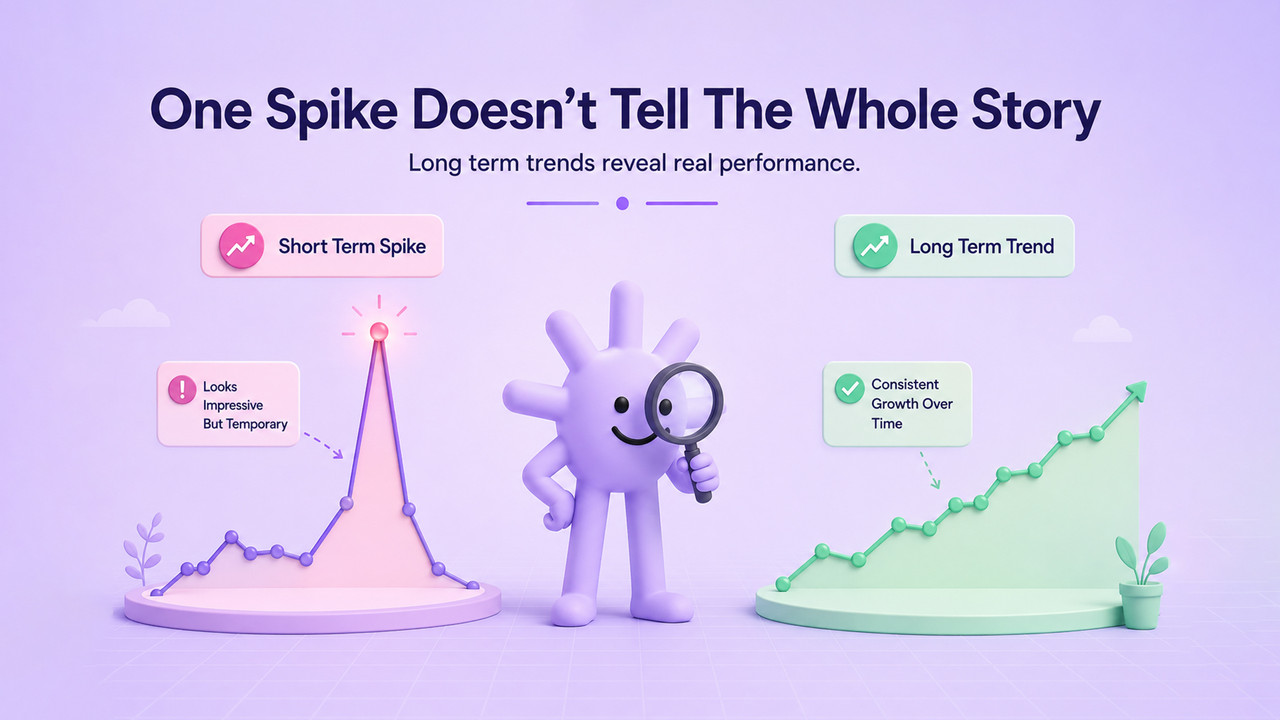
Temporary performance improvements can create misleading conclusions.
Businesses and paid media agencies often become highly focused on short term increases in traffic, engagement, or conversions. While positive spikes can be encouraging, they do not always indicate sustainable performance improvements.
Seasonality, promotional activity, market conditions, competitor behavior, and external events can all influence short term results. When organizations evaluate performance exclusively through short reporting periods, they may misinterpret temporary fluctuations as long term success.
Long term trend analysis provides a more accurate understanding of marketing effectiveness by identifying patterns that persist beyond isolated performance peaks and supporting more informed strategic decision making.
How Do Poor Reporting Systems Reduce Optimization Clarity?
The quality of reporting directly influences the quality of decision making.
Many businesses collect large volumes of data but struggle to organize information into meaningful insights. Reports often contain excessive metrics, inconsistent definitions, and fragmented information spread across multiple platforms.
This complexity can make it difficult for leadership teams to identify priorities, understand performance drivers or determine where optimization opportunities exist.
Effective reporting frameworks simplify complex information by focusing on the metrics that matter most. Clear reporting structures help teams evaluate performance more confidently and support faster, more informed decision making.
Why Does Structured Reporting Improve Marketing Performance?
Successful marketing depends on understanding what drives business outcomes rather than simply collecting data.
Structured reporting frameworks connect marketing activity with strategic objectives, customer behavior and commercial performance. Instead of focusing on isolated metrics, they create a clearer understanding of how channels, campaigns and audience interactions contribute to growth.
This approach helps businesses identify meaningful trends, allocate budgets more effectively, improve optimization efforts, and make decisions with greater confidence. Over time, stronger reporting processes create better visibility into performance and support more sustainable marketing success.
At TSA Media Group, we help businesses move beyond surface level metrics through structured reporting frameworks designed to improve clarity and decision making. By analyzing attribution models, campaign performance, customer behavior and business outcomes, we help organizations gain a more accurate understanding of marketing effectiveness and build strategies that support sustainable growth.
Share this Blog